
Keeping Injured Clients Informed at Every Stage of Their Case
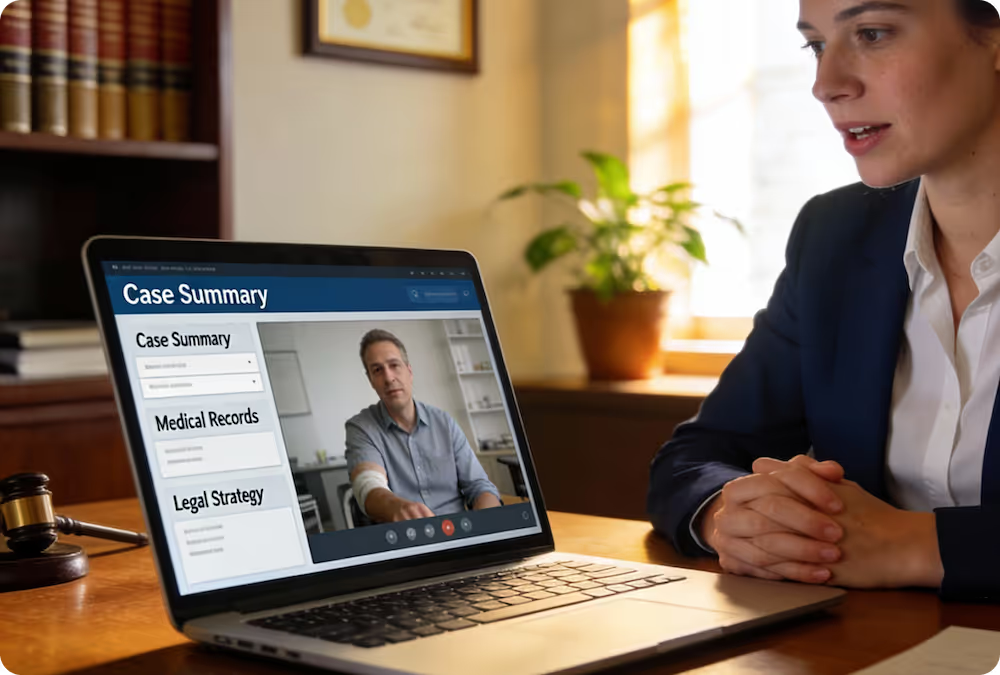
The Bottleneck: Why Client Updates & Follow-Ups Need Precision
The Volume & Timing Problem
Personal injury cases generate constant moments where clients expect updates—treatment changes, records requests, settlement movement. Without a system, communication becomes reactive. As caseloads grow, updates are delayed, messages are missed, and client frustration builds.
The Risk of Inconsistent Information
Unstructured updates often lead to vague, incomplete, or conflicting information being shared with clients. Missing context or undocumented conversations create confusion, increase repeat inquiries, and expose firms to miscommunication that can undermine trust and case clarity.
The Operational Drain on Legal Teams
When attorneys or in-house staff manage routine client follow-ups, valuable time is pulled away from strategy, negotiation, and case development. Without a dedicated, system-driven approach, client communication becomes a daily interruption instead of a controlled workflow.

Remote Case Manager Solution: A Seamless Follow-Up Strategy
Step 1: Communication Intake & Update Structuring
Step 2: Ongoing Follow-Ups & Communication Verification
Step 3: Communication Readiness & Attorney Visibility
Technology Supporting Secure PI Client Communication
Our client updates and follow-up workflows are supported by purpose-built legal technology designed to protect sensitive information, maintain accuracy, and ensure consistent communication throughout the personal injury case lifecycle.
Case Management Software Integration
Secure Communication Channels
Workflow Automation & Update Triggers
Documentation & Audit Readiness
Software Fluency Built for Personal Injury Cases

Documentation and Oversight Benefits for Personal Injury Firms
Improved Client Satisfaction & Trust
Consistent follow-ups and clear expectations help clients feel informed and supported throughout their case. This strengthens client relationships and improves the overall experience without increasing internal workload.
Reduced Inbound Client Calls
Proactive, structured updates reduce routine “status check” inquiries from injured clients. With clear communication at each stage, staff spend less time responding to repetitive questions and more time supporting active case work.
Stronger Documentation & Oversight
Every client update and follow-up is recorded within the case management system, creating a complete communication history. This improves internal visibility, supports attorney review, and minimizes the risk of undocumented interactions.
Increased Operational Efficiency
Routine client communication is handled by legal-trained professionals, allowing attorneys and in-house teams to remain focused on strategy, negotiation, and case progression.