
Workers Compensation Medical & Treatment Coordinator — Fully Managed
In Workers' Compensation (WC) cases, successful claims depend on timely, accurate, and coordinated medical treatment. A dedicated Remote Case Manager oversees care workflows, provider communication, and treatment tracking. By leveraging a tech-driven, organized approach, your firm can handle higher case volumes, reduce internal overhead, and deliver superior results for your clients.

The Bottleneck: Weak Points in Workers’ Compensation Medical Coordinator
Complex Medical Oversight
Coordinating medical care for injured workers involves managing multiple providers, ongoing treatments, and legal compliance. Without expert oversight, this process can become fragmented, leading to missed appointments, delayed recovery, and slower case resolution.
High Risk of Treatment Delays & Errors
Errors in medical coordination—such as incorrect diagnoses, missed follow-ups, or delayed authorizations—can prolong recovery, increase costs, and jeopardize compliance. These issues compromise both the worker’s health and the success of the claim.
Administrative Overload for Legal Teams
Attorneys and claims teams are often pulled into day-to-day medical coordinator tasks. Delegating medical scheduling, provider communication, and treatment tracking to a Remote Case Manager acting as your Medical & Treatment Coordinator allows legal teams to focus on strategy and case advancement.
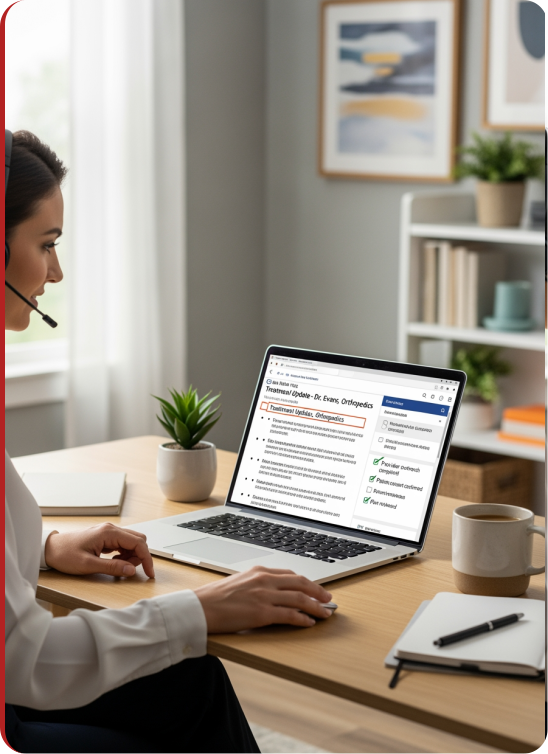
Remote Case Manager Solution: The Core Process
Our Remote Case Managers use a detailed, evidence-based approach to medical coordination for Workers’ Compensation claims, ensuring injured workers receive timely and appropriate care.
- Step 1: Medical Intake Review
- Step 2: Treatment Coordination & Monitoring
- Step 3: Medical Reporting & Documentation
Technology That Powers Workers’ Compensation Medical Coordinator
A secure, connected technology stack enables Remote Case Managers to coordinate treatment, track care progress, and maintain compliance—without disrupting your firm’s existing systems.
- Integrated Case Management Systems
- Secure, Compliant Cloud Infrastructure
- Automation for Scheduling and Follow-Ups
- Digital Documentation & Authorizations
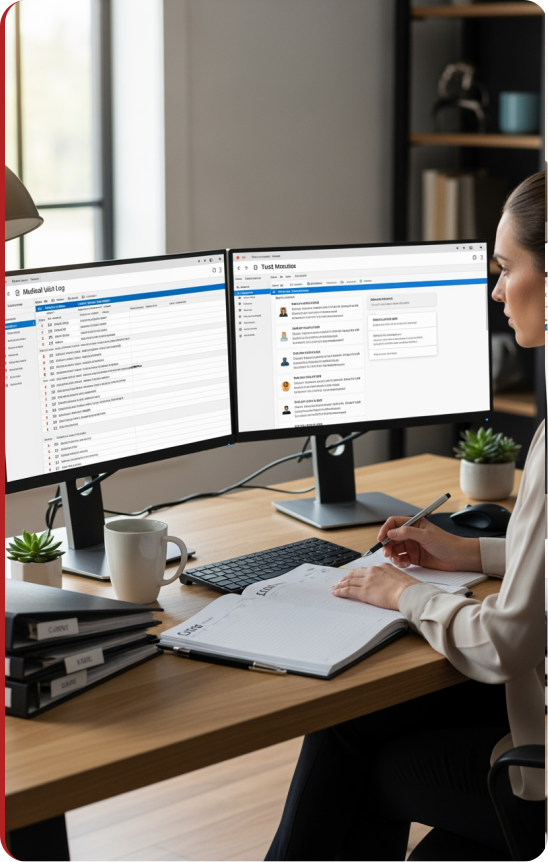
Strategic Impact of a Dedicated Medical & Treatment Coordinator
Lower Operational Overhead
Outsourcing medical coordination removes the need to hire, train, and manage in-house medical coordinators. Your firm gains specialized expertise at a predictable, scalable cost.
Faster Claim Progression
Proactive scheduling, provider follow-ups, and organized reporting reduce treatment delays and administrative bottlenecks. Claims move forward with fewer interruptions in the care process.
Stronger Compliance & Documentation Control
Consistent treatment tracking, detailed medical notes, and structured follow-ups reduce documentation gaps and compliance risk. This supports stronger claim defensibility and fewer downstream disputes.
Expanded Case Handling Capacity
Structured medical coordination enables your firm to manage higher claim volumes without sacrificing oversight or care continuity. Remote Case Managers keep treatment workflows organized as caseloads grow.